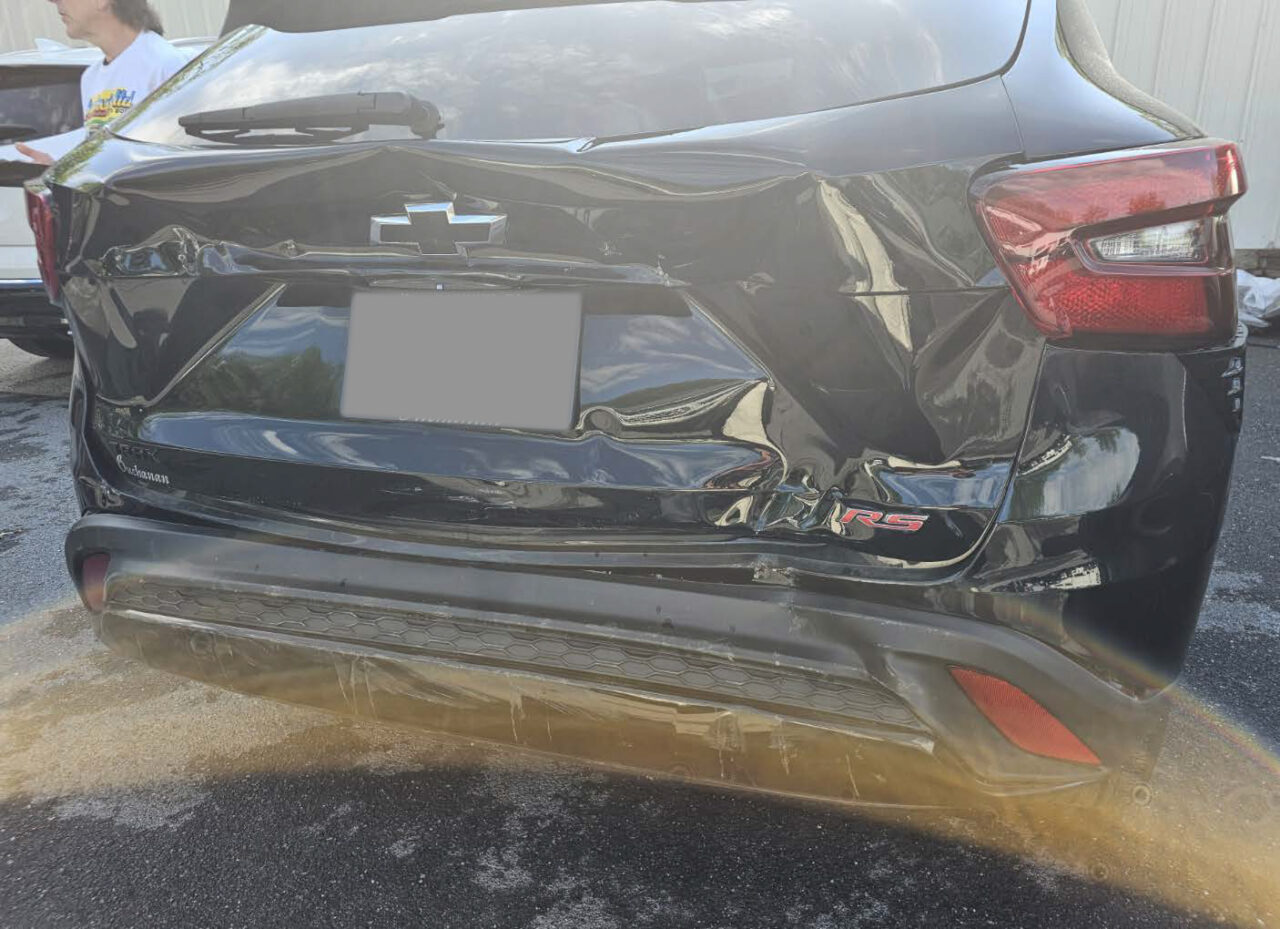
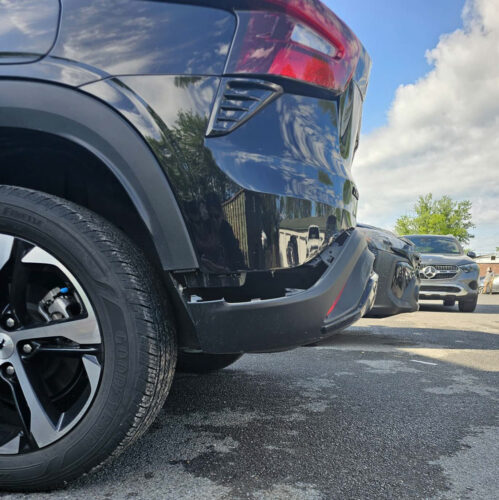
In West Virginia, even relatively minor accidents can carry major financial consequences for vehicle owners. This is especially true when the Carfax Vehicle History Report inaccurately reflects the damage, as was the case with this 2024 Chevrolet Trax. Despite the report labeling the incident as “minor to moderate,” structural damage resulted in a significant loss of value—$3,325 to be exact.
Diminished value (DOV) is the loss in market value a vehicle suffers after an accident, even after proper repairs. If you’re a West Virginia driver trying to navigate this process, understanding how diminished value works—and what insurers may overlook—is essential.
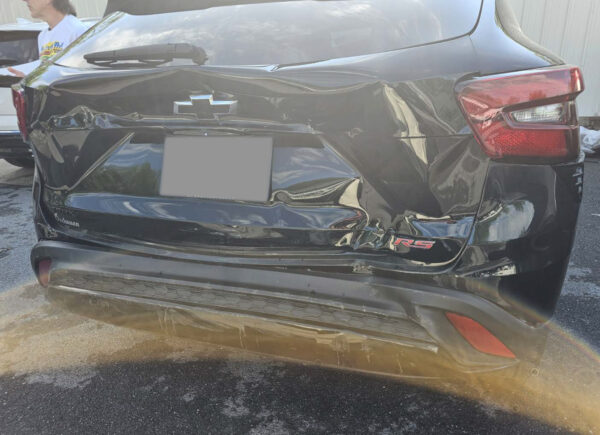
Vehicle Overview
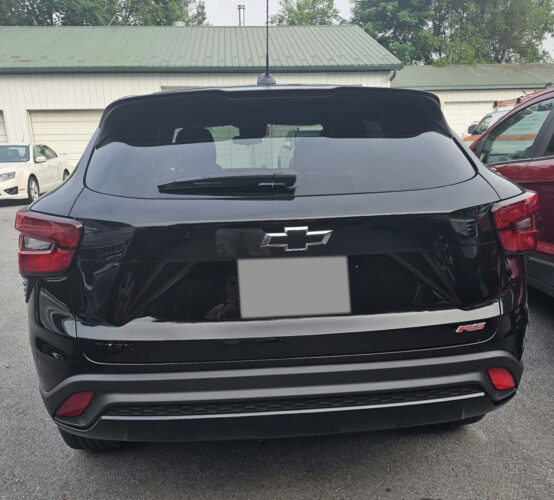
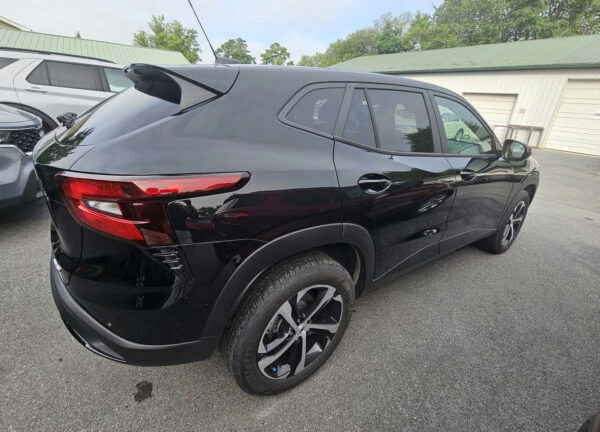
Make/Model: 2024 Chevrolet Trax
Location: West Virginia
Accident Type: Rear-end collision, structural damage
Mileage at time of accident: Approx. 11,112 miles
Repair Cost: $8,542 (including tax, setup, and pull time)
Diminished Value Status: $3,325 estimated loss
Why a Professional Appraisal Matters
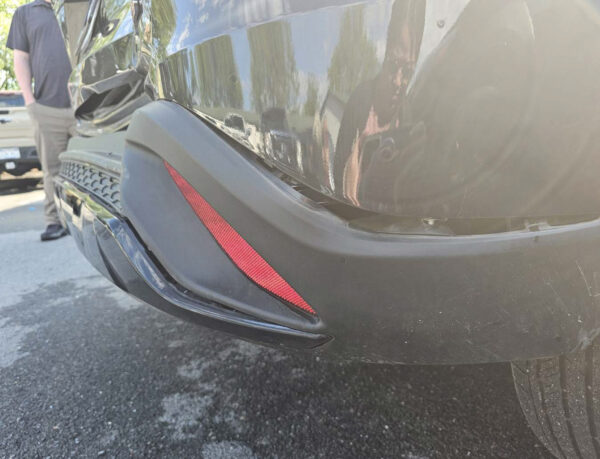
Insurance companies often rely on automated tools or quick estimates when assigning diminished value—frequently to the policyholder’s disadvantage. In this case, DVAC conducted a comprehensive review, factoring in actual structural damage, setup/pull hours, and OEM repair standards.
The Carfax report misrepresented the damage as minor to moderate, leaving out the structural repairs that would deter most private buyers or dealers. If you were trading in this Chevy Trax, the real-world offers would reflect the history—accurately captured only through a professional, third-party appraisal.

Common Mistakes That Undercut Diminished Value Claims
Too often, vehicle owners trust that the insurance payout includes all necessary compensation. However, the following missteps can dramatically reduce what you’re owed:
Relying solely on Carfax: If the report downplays the damage, like it did here, insurers may follow suit.
Not documenting structural or suspension repairs: These have a major impact on resale value, especially in newer vehicles.
Failing to pursue a third-party appraisal: Without one, there’s little leverage to challenge a low insurer estimate.
By contrast, DVAC backed this claim with J.D. Power archival valuation, repair documentation, and a VIN-specific pre-accident market assessment to ensure the numbers hold up.
How DVAC Supports You Throughout the Process
From the moment you contact DVAC, you’re guided through a complete appraisal process tailored to your vehicle, location, and repair history. Our reports:
Use data from multiple valuation sources including J.D. Power, KBB, Black Book, and MMR
Include detailed repair reviews and photo documentation
Are accepted and respected by insurers, attorneys, and auto professionals
Moreover, we work fast—our turnaround times are some of the best in the industry, so you don’t have to wait to defend your claim.
Conclusion: Know the True Worth of Your Vehicle
If you’re in West Virginia and your vehicle has been in an accident, don’t let inaccurate damage reports or insurer shortcuts determine your compensation. As this 2024 Chevy Trax case shows, even modest repairs can result in thousands in lost value.
Ready to find out how much compensation you might be missing?
Contact DVAC today for an objective, data-backed diminished value appraisal.