
Trust DVAC to 

Recover the True Value of Your Vehicle.

Diminished Value Appraisal in Illinois

Filing A Diminished 

Value Claim In

Illinois

Statute of Limitations to File:

5 Years

File First Party Claim:

Excluded

File Third Party Claim:

Yes

Diminished Value Through Uninsured Motorist Coverage:

Optional coverage up to $15,000

Small Claims Max Filing:

$10,000, attorney representation and appeals permitted

New Texas Law (Senate Bill 458)

Updated November 2026. Reviewed by Richard W. Taylor.

You can file a diminished value claim in Illinois against the at-fault driver’s insurance company. Diminished value is the resale value your car loses because it now has an accident history, even after quality repairs. Illinois courts have rejected diminished value claims under a driver’s own repair-or-replace policy, so a diminished value claim in Illinois is a third-party claim. Here is how it works, the 5-year deadline, and how to file one.

Key takeaways

  • Illinois diminished value claims go against the at-fault driver’s insurance company.
  • Illinois courts have discussed the loss in value that remains after repairs as an element of damage against an at-fault driver.
  • Your own insurer generally does not owe diminished value; an Illinois appeals court rejected that claim against State Farm in 2004.
  • You have 5 years to sue for damage to property under 735 ILCS 5/13-205.
  • Illinois small claims court hears claims up to $10,000.

Can you file a diminished value claim in Illinois?

Yes, against the driver who caused the accident. In Fairchild v. Keene (1981), an Illinois appeals court discussed the elements of damage to a car as the reasonable cost of repairs, the diminution in value that remains even after repairs, and loss of use. A diminished value claim focuses on that second element.

Your own insurer is different. In Martin v. State Farm (2004), the Illinois Appellate Court agreed that diminished value was not covered under the insurance contract (Insurance Journal). Plan to file against the at-fault driver’s insurer.

Illinois diminished value claims at a glance

ItemIllinois
Claim against the at-fault driver’s insurerYes, third-party claim
Claim under your own policyGenerally no (Martin v. State Farm, 2004)
Deadline to sue for damage to property5 years, 735 ILCS 5/13-205
Small claims limit$10,000

How to file a diminished value claim in Illinois

  • Finish the repairs and keep the final repair bill, since the claim is based on it.
  • Get the at-fault driver’s claim details: the insurer, the claim number and the adjuster.
  • Get an independent appraisal. A documented appraisal shows how much value your car lost, based on the repair bill, the actual damage and current retail market data for comparable cars with a clean history.
  • Send a written demand with the appraisal to the at-fault driver’s insurer, and keep copies.
  • Watch the 5-year deadline. It is long, but your evidence is strongest soon after the repair.

DVAC provides the appraisal report, the demand letter, claim strategy and guidance through resolution. You communicate with the insurance company directly, and we advise you on what to say and how to respond.

What if the Illinois insurer refuses to pay?

Ask the adjuster to explain the decision in writing and to respond to the figures in your appraisal. If the claim still does not settle, Illinois small claims court hears claims up to $10,000, according to Illinois Legal Aid Online; larger claims go to the circuit court. For legal questions, talk to an Illinois attorney. If your car was totaled instead, see our Illinois total loss guide.

Illinois diminished value case studies

See how Illinois owners documented their loss: an Illinois driver’s claim after structural damage, and why a new car can lose real value after a minor accident.

Illinois diminished value questions

Is Illinois a diminished value state?

Yes, for third-party claims against the at-fault driver’s insurer.

Can I claim diminished value from my own insurer in Illinois?

Generally not. An Illinois appeals court held in 2004 that diminished value was not covered under State Farm’s policy.

How long do I have to file a diminished value claim in Illinois?

5 years to sue for damage to property under 735 ILCS 5/13-205.

What is the small claims limit in Illinois?

$10,000, with larger claims in circuit court.

Sources

This page is general information, not legal advice. Diminished value rules can change and depend on the facts of your claim, so confirm current requirements with your state insurance department or an attorney.

OUR PROVEN PROCESS

How It Works

We provide an accurate diminished value assessment based on your repair records and real market data, so your claim is well documented. We guide you through the process, from your first demand to resolution.

1

Start Your Appraisal

Start the process with a FREE consultation when you call us at (877) 879-0101 or fill out our Appraisal Form and we will contact you within minutes!

2

Intake & Delivery

We analyze your repair records and current market data to determine your vehicle’s diminished value, then deliver a clear, documented appraisal you can send to the insurance company.

3

End-to-End Support

A report is only the start. You communicate with the insurance company directly, and we advise you on what to say and how to respond at every step.

Results In

Illinois

EARL SCOTT profile picture
EARL SCOTT
2 years ago
Great to work with
Scuba Jim profile picture
Scuba Jim
2 years ago
DVAC is an outstanding business! They guided me through every step of the process. When the insurance company initially denied my diminished value claim, I took the case to small claims court—and both Richards were there to support me online during the hearing! I successfully recovered the full amount of my claim. Communication with Emily and Richard was excellent throughout. Using DVAC is a must—thank you for everything!
Raymund profile picture
Raymund
2 years ago
I just spoke to this guy, thank you and I appreciate your time and honesty!
Taylor Osborn profile picture
Taylor Osborn
2 years ago
This business helped us tremendously!! Progressive was really trying to tell us they would only give 1k on 10k worth of damage. DVAC was able to help us by sending the report & progressive called & said they’d have the check sent out in two days. Don’t play w these insurance company’s, know what you’re entitled to & pay the bit that it costs to get that report from the experts !!
Tarra Moxley profile picture
Tarra Moxley
2 years ago
Richard and Emily provided me a valuable service while I was trying to hold my insurance company accountable for a fair total loss settlement. I am so grateful for them and highly recommend.
DVAC A+ Better Business Bureau rating
DVAC 5 star Google Reviews
Established in 1998 emblem

Navigating the Aftermath: What to Do When You’re in a Vehicle Accident

Experiencing a vehicle accident is a distressing event that can leave lasting effects. It’s crucial to handle the aftermath with composure and a clear plan of action to safeguard yourself and others involved. Whether it’s a minor bump or a major collision, understanding the steps to take can significantly impact your recovery process. In addition […]

Read More

Valid

Illinois

Case Law

Diminished value is recoverable from the at-fault driver’s insurance company. Your own policy does not pay diminished value under standard wording (Martin v. State Farm, 2004). The deadline to sue for damage to your car is 5 years under 735 ILCS 5/13-205.

Trailmobile Div. of Pullman, Inc. v. Higgs, 12 Ill. App. 3d 323, 325 (Ill. App. Ct. 1973)

The measure of damages for a repairable injury to personal property is ordinarily the cost of making the repair and the value of the use of the property while the owner is necessarily deprived of it by reason of the repair.

If the property is worth less after it is repaired than its value before the injury, the measure of damages is the difference in the market value before the injury and in its repaired condition in addition to the reasonable cost of repairs.

Where, however, the property cannot be economically repaired the measure of damages is the difference between the market value of the property before the injury and the value of the wreckage.

Start Your Appraisal

This field is for validation purposes and should be left unchanged.
Is your vehicle financed, owned or  leased?
Was your vehicle in a previous accident?
Upload your photos, final repair bill or total loss settlement offer.
(Accepted file types: pdf, jpg, gif, png, jpeg Max. file size: 50 MB.)
Drop files here or
Accepted file types: pdf, jpg, gif, png, jpeg, doc, Max. file size: 50 MB.

    Your information is secure and will not be sold.

    What is Diminished Value?

    Even after repairs, your car may lose resale value due to its accident history—known as diminished value. Many buyers avoid damaged vehicles or expect a discount, but you have the right to file a diminished value claim. Some insurance companies won’t inform you of your right to an independent appraisal and often minimize payouts. With accurate data and a strong claim, DVAC ensures you get the compensation you deserve.

    Frequently Asked Questions

    You should pursue a diminished value claim once your vehicle is fully repaired to pre-accident condition. Experts calculate diminished value based on the nature of the damage to your vehicle and overall evidence of repairs. A thorough review of the final bill from the bodyshop, a visual inspection of the vehicle after repairs, and a review of the vehicle’s history are a few important factors in determining diminished value. 

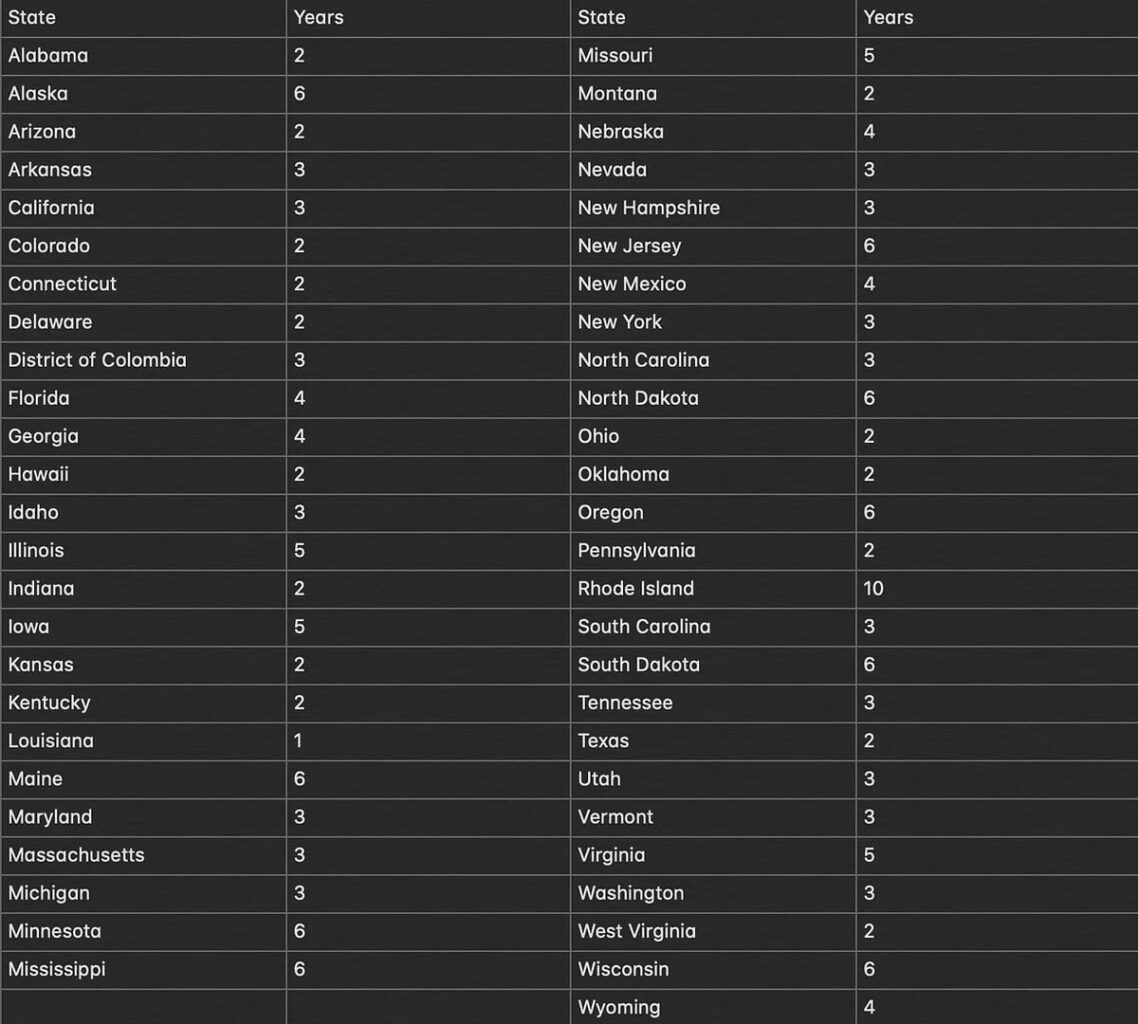
    Statute of limitations chart for all US states on Diminished Value Claims.

    Recovering diminished value from the at-fault insurance company can take as little as a few days. However, some claims may take weeks, and in rare cases, months. The timeline depends entirely on the insurance company’s diminished value policy. One thing remains constant: DVAC will stay involved throughout your diminished value claim, offering advice and support.

    If your vehicle has been totaled in an accident, how do you determine a fair settlement? The insurance company has their figure, and you have yours. DVAC helps bridge that gap by guiding you to a realistic, mutually agreeable number backed by comprehensive market research. We compile a total loss report that includes all of our findings and your vehicle’s actual cash value.

    Each diminished value appraisal report includes a pre-accident value built from current retail market data for comparable vehicles, an assessment of the value your vehicle lost based on its repair records and the actual damage, a detailed photo file, and the final bill from the body shop. We email you the complete report, usually within one business day.

    The IRS requires a professional appraisal for any vehicle worth more than $5,000 if you want to claim a tax write-off. While vehicles under $5,000 don’t need an appraisal, we still recommend getting one to help avoid a potential audit.

    Insurance companies rely on appraisals to determine the fair market value of your collectible vehicle. A certified appraisal from a licensed appraiser strengthens your claim and gives you the documentation to support a fair settlement after a collision.

    The requirements can vary depending on your lender. Some institutions may ask for an independent appraisal to verify the true market value of the vehicle you plan to purchase.

    What about “Certified Used Vehicles”?

    Many dealerships now offer “Certified Used Vehicles” on their lots, but each one sets its own policies and standards for certification. In many cases, dealers look closely for even minor damage history to disqualify your trade-in from meeting their “certified” criteria. As a result, they may offer you less than if your vehicle had a clean title. DVAC can help you recover that lost value through a diminished value claim.

    If an accident has damaged your vehicle and you’re concerned about its true value, call DVAC Diminished Value Appraisal Claims at 877-879-0101 for a FREE consultation. If you’re ready to start the process, start your appraisal now! You can also check out our blog for more case-specific information.

     
    Call DVAC at 877-879-0101 for a FREE consultation or Start your Appraisal now!