
Updated November 2026. Reviewed by Richard W. Taylor.
You can file a diminished value claim in Connecticut against the at-fault driver’s insurance company. Diminished value is the resale value your car loses because it now has an accident history, even after quality repairs. Connecticut case law holds the negligent driver responsible for that loss, while your own policy typically does not cover it. Here is how a diminished value claim in Connecticut works, the 2-year deadline, and how to file one.
Key takeaways
- Connecticut case law holds the negligent driver responsible for a car’s diminished value, so you can make a third-party claim.
- Damages are measured as the car’s market value before the accident minus its market value after, plus interest from the date of loss.
- Your own Connecticut policy typically does not cover diminished value, and approved policy language can exclude it.
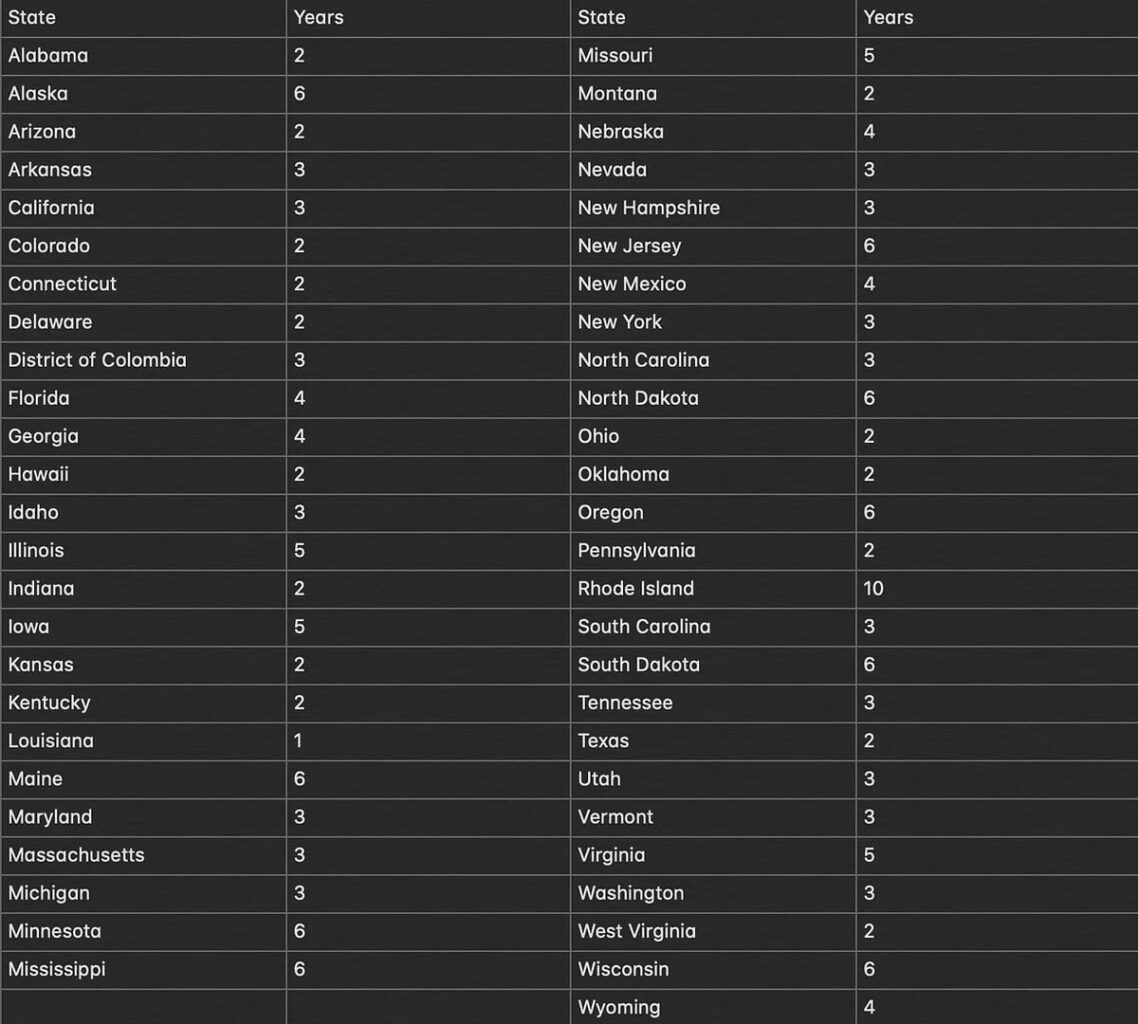
- You have 2 years from when the damage was sustained or discovered to sue for property damage caused by negligence.
- Connecticut small claims court hears most claims up to $5,000.
Can you file a diminished value claim in Connecticut?
Yes, against the driver who caused the accident. According to Connecticut’s Office of Legislative Research, Connecticut case law holds that the negligent person is responsible for the diminished value of the vehicle, so you can submit a third-party claim against the negligent driver’s auto policy. The damages are the car’s reasonable market value before the accident minus its reasonable market value after, plus interest from the date of loss, and you need evidence of that difference.
Your own policy is different. A first-party claim for diminished value is typically not covered in Connecticut, because the policy pays for repairs or, on a total loss, actual cash value, and Connecticut has approved policy language that expressly excludes diminished value.
Connecticut diminished value claims at a glance
| Item | Connecticut |
|---|---|
| Claim against the at-fault driver’s insurer | Yes, third-party claim |
| Claim under your own policy | Typically not covered |
| How damages are measured | Market value before minus market value after, plus interest |
| Deadline to sue for property damage | 2 years, Conn. Gen. Stat. 52-584 |
| Small claims limit | $5,000 for most claims |
How to file a diminished value claim in Connecticut
- Finish the repairs and keep the final repair bill, since the claim is based on it.
- Get the at-fault driver’s claim details: the insurer, the claim number and the adjuster.
- Get an independent appraisal. Connecticut measures the loss as the before and after market value, and a documented appraisal shows that difference, based on the repair bill, the actual damage and current retail market data for comparable cars with a clean history.
- Send a written demand with the appraisal to the at-fault driver’s insurer, and keep copies.
- Act within 2 years. Connecticut’s deadline is short, so start soon after the repair.
DVAC provides the appraisal report, the demand letter, claim strategy and guidance through resolution. You communicate with the insurance company directly, and we advise you on what to say and how to respond.
What if the Connecticut insurer refuses to pay?
Ask the adjuster to explain the decision in writing and to respond to the figures in your appraisal. If the claim still does not settle, Connecticut small claims court hears most claims up to $5,000, according to the state’s Office of Legislative Research; larger claims go to Superior Court. For legal questions, talk to a Connecticut attorney. If your car was totaled instead, see our Connecticut total loss guide.
Connecticut diminished value case studies
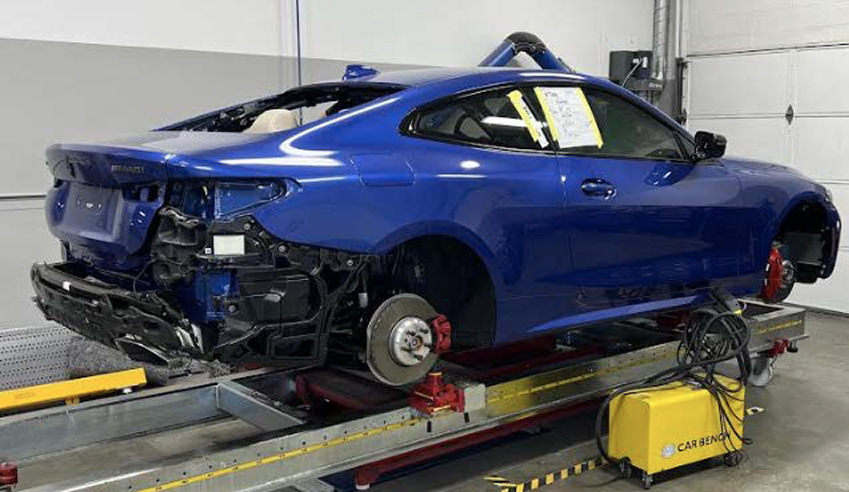
See how Connecticut owners documented their loss: a Ford Expedition and a BMW M440i.
Connecticut diminished value questions
Is Connecticut a diminished value state?
Yes, for third-party claims. Connecticut case law holds the negligent driver responsible for the car’s diminished value.
Can I claim diminished value from my own insurer in Connecticut?
Typically not. Connecticut policies pay for repairs or actual cash value, and approved policy language can exclude diminished value.
How long do I have to file a diminished value claim in Connecticut?
2 years from when the damage was sustained or discovered, under Conn. Gen. Stat. 52-584.
What is the small claims limit in Connecticut?
$5,000 for most claims, with larger claims in Superior Court.
Sources
- Connecticut Office of Legislative Research, Insurance Claim for Car’s Diminished Resale Value, 2007-R-0011 (citing Littlejohn v. Elionsky, 130 Conn. 541 (1944)).
- Conn. Gen. Stat. 52-584, two years for injury to property caused by negligence (Connecticut General Assembly).
- Connecticut Office of Legislative Research, 2023-R-0052, small claims limits ($5,000).
This page is general information, not legal advice. Diminished value rules can change and depend on the facts of your claim, so confirm current requirements with your state insurance department or an attorney.