Trust DVAC to
Recover the True Value of Your Vehicle.

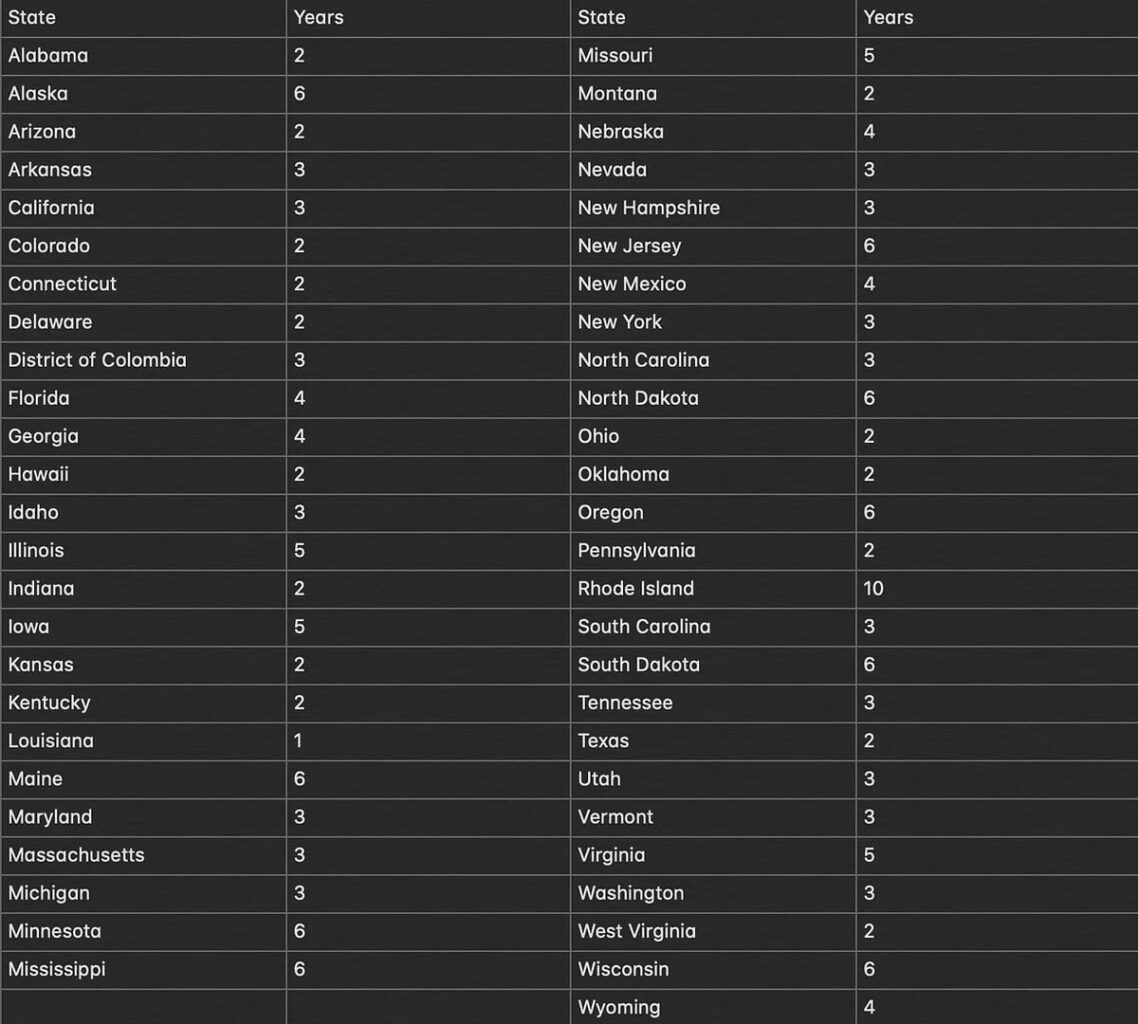
Statute of Limitations to File:
File First Party Claim:
File Third Party Claim:
Diminished Value Through Uninsured Motorist Coverage:
Small Claims Max Filing:
OUR PROVEN PROCESS
Start the process with a FREE consultation when you call us at (877) 879-0101 or fill out our Appraisal Form and we will contact you within minutes!
We analyze your repair records and current market data to determine your vehicle’s diminished value, then deliver a clear, documented appraisal you can send to the insurance company.
A report is only the start. You communicate with the insurance company directly, and we advise you on what to say and how to respond at every step.


Experiencing a vehicle accident is a distressing event that can leave lasting effects. It’s crucial to handle the aftermath with composure and a clear plan of action to safeguard yourself and others involved. Whether it’s a minor bump or a major collision, understanding the steps to take can significantly impact your recovery process. In addition […]
Read More
Hawaii will allow for the recovery of diminished value as a third-party claim if you can prove the loss in resale value due to an accident not your fault; however, most insurance policies will exclude first-party diminished value claims. Chapter 431:10C
Richards v. Kailua Auto Machine Service, 10 Haw. App. 613, 622 (Haw. Ct. App. 1994)
The general rule in measuring damages is `to give a sum of money to the person wronged which as nearly as possible, will restore him [or her] to the position he [or she] would be in if the wrong had not been committed.
Courts have applied various measures of damages to personal property. D. DOBBS, supra, § 5.10 at 379; C. McCORMICK, supra, § 124 at 471-72; Measure and Elements of Damage, supra, § 2. But “[a]ll [of] the [different] measures [for damages to personal property] are merely `guides to common sense,’ and the question in each case is ultimately a question of fully compensating the [injured party]. Thus, the various measures should be adjusted as required to meet the goal of compensation.” D. DOBBS, supra, § 5.10 at 379 (footnote omitted).
Some courts have found that damages for tortious property damage to an automobile include costs of [corrective] repair and the difference in value of the automobile before the accident and after the repairs are completed, so long as the sum does not exceed the decline in market value [immediately after injury], and does not exceed the pre-accident [or pre-injury] market value of the vehicle.

Even after repairs, your car may lose resale value due to its accident history—known as diminished value. Many buyers avoid damaged vehicles or expect a discount, but you have the right to file a diminished value claim. Some insurance companies won’t inform you of your right to an independent appraisal and often minimize payouts. With accurate data and a strong claim, DVAC ensures you get the compensation you deserve.
You should pursue a diminished value claim once your vehicle is fully repaired to pre-accident condition. Experts calculate diminished value based on the nature of the damage to your vehicle and overall evidence of repairs. A thorough review of the final bill from the bodyshop, a visual inspection of the vehicle after repairs, and a review of the vehicle’s history are a few important factors in determining diminished value.

Recovering diminished value from the at-fault insurance company can take as little as a few days. However, some claims may take weeks, and in rare cases, months. The timeline depends entirely on the insurance company’s diminished value policy. One thing remains constant: DVAC will stay involved throughout your diminished value claim, offering advice and support.
If your vehicle has been totaled in an accident, how do you determine a fair settlement? The insurance company has their figure, and you have yours. DVAC helps bridge that gap by guiding you to a realistic, mutually agreeable number backed by comprehensive market research. We compile a total loss report that includes all of our findings and your vehicle’s actual cash value.
Each diminished value appraisal report includes a pre-accident value built from current retail market data for comparable vehicles, an assessment of the value your vehicle lost based on its repair records and the actual damage, a detailed photo file, and the final bill from the body shop. We email you the complete report, usually within one business day.
The IRS requires a professional appraisal for any vehicle worth more than $5,000 if you want to claim a tax write-off. While vehicles under $5,000 don’t need an appraisal, we still recommend getting one to help avoid a potential audit.
Insurance companies rely on appraisals to determine the fair market value of your collectible vehicle. A certified appraisal from a licensed appraiser strengthens your claim and gives you the documentation to support a fair settlement after a collision.
The requirements can vary depending on your lender. Some institutions may ask for an independent appraisal to verify the true market value of the vehicle you plan to purchase.
What about “Certified Used Vehicles”?
Many dealerships now offer “Certified Used Vehicles” on their lots, but each one sets its own policies and standards for certification. In many cases, dealers look closely for even minor damage history to disqualify your trade-in from meeting their “certified” criteria. As a result, they may offer you less than if your vehicle had a clean title. DVAC can help you recover that lost value through a diminished value claim.
If an accident has damaged your vehicle and you’re concerned about its true value, call DVAC Diminished Value Appraisal Claims at 877-879-0101 for a FREE consultation. If you’re ready to start the process, start your appraisal now! You can also check out our blog for more case-specific information.