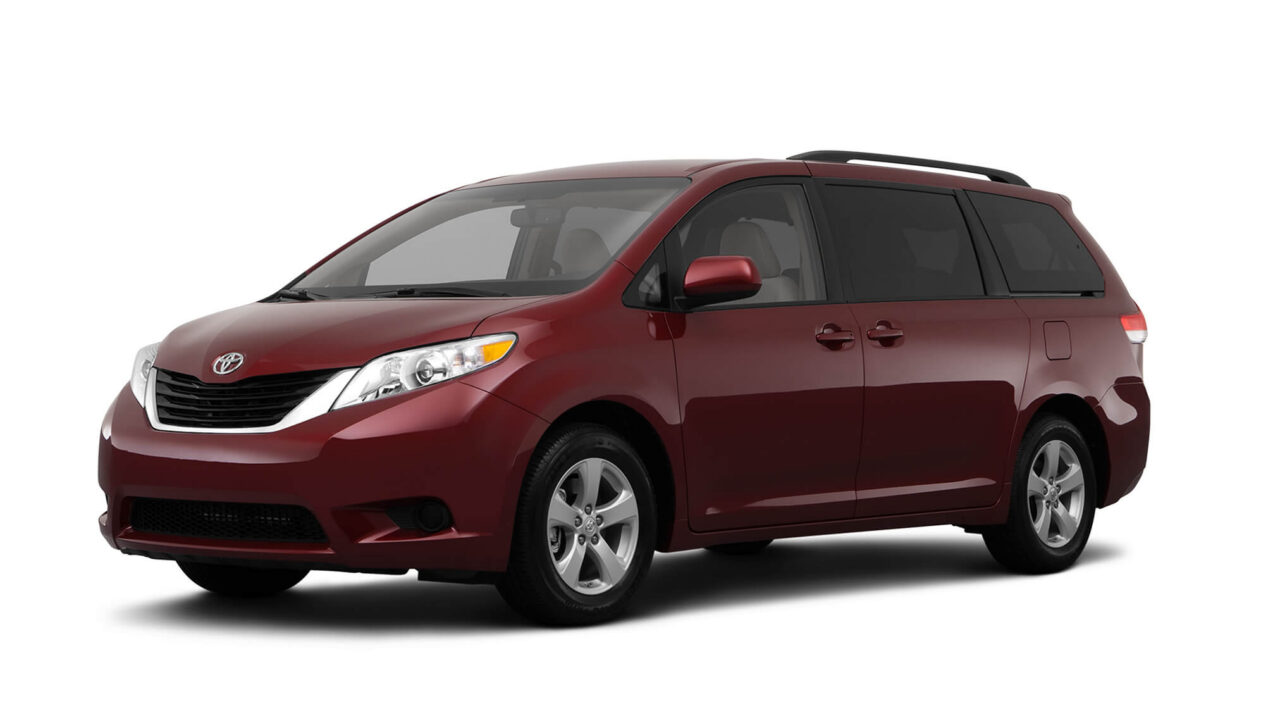
A Total Loss in Colorado can create uncertainty when the insurance company’s valuation does not align with real market data. This case study shows how DVAC determined an accurate value for a 2013 Toyota Sienna using a combination of trusted valuation sources and vehicle-specific data.
Vehicle Overview
Make/Model: 2013 Toyota Sienna
Location: Colorado
Pre-Accident Mileage: 221,158 miles
DVAC Appraised Value: $7,560.00
Why Total Loss Claims Are Often Undervalued
Insurance companies often rely on generalized valuation tools that may not fully account for high-mileage vehicles or region-specific demand. While these tools provide a starting point, they can overlook how condition, usage, and local availability influence real market value.
In this case, the vehicle had over 221,000 miles, which makes accurate valuation even more dependent on current market data rather than broad averages. Vehicles in this category often vary significantly in price depending on condition and demand.
Therefore, when handling a Total Loss in Colorado, relying on a single valuation method can lead to an incomplete settlement offer.
Real Market Data vs. Insurance Estimates
DVAC built this valuation using multiple reliable data sources. According to the report, the valuation included:
- J.D. Power valuation data
- Kelley Blue Book (KBB) valuation data
The Kelley Blue Book report on page 4 shows a private party value of $7,600, with a range between $6,800 and $8,400. These figures provide important context for how the vehicle performs in the open market.
Additionally, J.D. Power data reflects recent sales activity and adjustments based on mileage and configuration. By combining these sources, DVAC ensured that the valuation reflects both statistical trends and real-world pricing.
As a result, DVAC determined a supported value of $7,560.00, which aligns with market expectations for this vehicle type and condition.
The Appraisal Clause Process Explained
When a vehicle owner disagrees with a total loss settlement, the appraisal clause provides a structured way to resolve the dispute. After receiving DVAC’s appraisal report and demand letter, the owner submits this documentation to the insurance company.
Once the appraisal clause is invoked, DVAC will negotiate and work to resolve the claim directly with the insurance company’s hired third-party appraiser. At that stage, DVAC handles all correspondence related to the appraisal process, but only with the opposing appraiser, not with the insurance company itself.
DVAC supports clients throughout this process by:
- Providing a detailed appraisal report
- Delivering a professional demand letter
- Offering guidance on how to communicate with the insurance company
The vehicle owner remains responsible for all direct communication with the insurer. However, with DVAC’s guidance and strategy, they can confidently navigate the process.
How DVAC Fights for a Fair Settlement
DVAC focuses on accurate, data-driven valuations tailored to each vehicle. In this Toyota Sienna case, the appraisal relied on:
- Verified J.D. Power data reflecting recent sales
- Kelley Blue Book valuation benchmarks
- Vehicle-specific factors such as mileage and configuration
Additionally, DVAC considers how vehicle history reports like Carfax may influence buyer perception. However, Carfax does not determine actual market value on its own. Instead, DVAC incorporates it as one part of a broader valuation strategy.
Because every vehicle has unique characteristics, DVAC ensures that each total loss appraisal reflects real market conditions rather than generic estimates.
Conclusion: Get an Accurate Total Loss Appraisal in Colorado
This Total Loss in Colorado case study demonstrates how accurate valuation depends on combining multiple data sources with real market insight. DVAC established a value of $7,560.00 using J.D. Power and KBB data to support a fair and defensible result.
If your total loss settlement does not reflect your vehicle’s true value, DVAC can help you take the next step. Contact DVAC today for a fast, accurate, and data-backed total loss appraisal, and move forward with confidence.