
Trust DVAC to 

Recover the True Value of Your Vehicle.

Diminished Value Appraisal in North Carolina

Filing A Diminished 

Value Claim In

North Carolina

Statute of Limitations to File:

3 Years

File First Party Claim:

No

File Third Party Claim:

Yes

Diminished Value Through Uninsured Motorist Coverage:

Some Policies

Small Claims Max Filing:

$10,000

New Texas Law (Senate Bill 458)

Updated November 2026. Reviewed by Richard W. Taylor.

You can file a diminished value claim in NC against the at-fault driver’s insurance company. Diminished value is the resale value your car loses because it now has an accident history, even after quality repairs. North Carolina’s insurance rules also protect your claim if you already signed off on the repair, as long as you act promptly. Here is how a diminished value claim in North Carolina works, the deadlines that apply, and how to file one.

Key takeaways

  • North Carolina diminished value claims go against the at-fault driver’s insurance company.
  • Signing a release for the repair does not by itself end a diminished value claim, if the loss could not be known until after the repair.
  • A diminished value claim made within 30 days after the repair counts as promptly asserted under North Carolina’s insurance rules.
  • You have 3 years to sue for damage to your car under G.S. 1-52.
  • North Carolina small claims court, handled by a magistrate, hears claims up to $10,000.

Can you file a diminished value claim in North Carolina?

Yes, against the driver who caused the accident. North Carolina’s insurance rules recognize diminished value claims by third-party claimants, meaning people making a claim against someone else’s policy. Under 11 NCAC 06A, signing a release or accepting payment for the repair does not prevent you from later pursuing diminished value, as long as the loss could not be known until after the repair or attempted repair. When a diminished value claim is made, each side’s written appraisal reports are exchanged.

Your own policy usually does not pay diminished value on a collision claim, so plan to file against the at-fault driver’s insurer and check your policy before relying on it.

North Carolina diminished value claims at a glance

ItemNorth Carolina
Claim against the at-fault driver’s insurerYes, third-party claim
Claim under your own policyUsually not covered; check your policy
Prompt claimWithin 30 days after the repair
Release for the repairDoes not end the claim if the loss was not yet known
Deadline to sue for damage to your car3 years, G.S. 1-52
Small claims limit$10,000, G.S. 7A-210

The 30-day rule after your repair

Timing matters in North Carolina. Under the state’s insurance rules, a diminished value claim made within 30 days after the repair is treated as promptly asserted, and the claim must still fall within the statute of limitations. In practice, that means getting your appraisal and sending your demand soon after you pick up the car, rather than waiting months. In 2024, the North Carolina Department of Insurance also warned insurers about rising complaints over slow responses to diminished value claims (Bulletin 24-B-07).

How to file a diminished value claim in North Carolina

  • Finish the repairs and keep the final repair bill, since the claim is based on it.
  • Act within 30 days of the repair so the claim counts as promptly asserted.
  • Get an independent appraisal. A documented appraisal shows how much value your car lost, based on the repair bill, the actual damage and current retail market data for comparable cars with a clean history.
  • Send a written demand with the appraisal to the at-fault driver’s insurer, and keep copies.
  • Track the 3-year deadline. If the claim does not settle, North Carolina small claims court hears claims up to $10,000.

DVAC provides the appraisal report, the demand letter, claim strategy and guidance through resolution. You communicate with the insurance company directly, and we advise you on what to say and how to respond.

What if the North Carolina insurer refuses to pay?

Ask the adjuster to explain the decision in writing and to exchange its appraisal with yours, as North Carolina’s rules provide. If the claim still does not settle, a magistrate hears small claims up to $10,000 under G.S. 7A-210, and you can contact the North Carolina Department of Insurance. For larger claims or legal questions, talk to a North Carolina attorney. If your car was totaled instead, see our North Carolina total loss guide.

North Carolina diminished value case studies

See how North Carolina owners documented their loss: a North Carolina driver’s $3,250 claim and a Lotus Emira after a minor collision.

North Carolina diminished value questions

Is North Carolina a diminished value state?

Yes, for third-party claims against the at-fault driver’s insurer.

Can I still file for diminished value after signing a release in North Carolina?

Yes, if the loss could not be known until after the repair, under North Carolina’s insurance rules. File within 30 days of the repair if you can.

How long do I have to file a diminished value claim in NC?

3 years to sue for damage to your car under G.S. 1-52, but make the claim within 30 days of the repair so it counts as prompt.

What is the small claims limit in North Carolina?

$10,000, heard by a magistrate.

Sources

This page is general information, not legal advice. Diminished value rules can change and depend on the facts of your claim, so confirm current requirements with your state insurance department or an attorney.

OUR PROVEN PROCESS

How It Works

We provide an accurate diminished value assessment based on your repair records and real market data, so your claim is well documented. We guide you through the process, from your first demand to resolution.

1

Start Your Appraisal

Start the process with a FREE consultation when you call us at (877) 879-0101 or fill out our Appraisal Form and we will contact you within minutes!

2

Intake & Delivery

We analyze your repair records and current market data to determine your vehicle’s diminished value, then deliver a clear, documented appraisal you can send to the insurance company.

3

End-to-End Support

A report is only the start. You communicate with the insurance company directly, and we advise you on what to say and how to respond at every step.

Results In

North Carolina

EARL SCOTT profile picture
EARL SCOTT
2 years ago
Great to work with
Scuba Jim profile picture
Scuba Jim
2 years ago
DVAC is an outstanding business! They guided me through every step of the process. When the insurance company initially denied my diminished value claim, I took the case to small claims court—and both Richards were there to support me online during the hearing! I successfully recovered the full amount of my claim. Communication with Emily and Richard was excellent throughout. Using DVAC is a must—thank you for everything!
Raymund profile picture
Raymund
2 years ago
I just spoke to this guy, thank you and I appreciate your time and honesty!
Taylor Osborn profile picture
Taylor Osborn
2 years ago
This business helped us tremendously!! Progressive was really trying to tell us they would only give 1k on 10k worth of damage. DVAC was able to help us by sending the report & progressive called & said they’d have the check sent out in two days. Don’t play w these insurance company’s, know what you’re entitled to & pay the bit that it costs to get that report from the experts !!
Tarra Moxley profile picture
Tarra Moxley
2 years ago
Richard and Emily provided me a valuable service while I was trying to hold my insurance company accountable for a fair total loss settlement. I am so grateful for them and highly recommend.
DVAC A+ Better Business Bureau rating
DVAC 5 star Google Reviews
Established in 1998 emblem

Luxury Loss: How DVAC Helped a Lotus Emira Owner Recover Thousands After “Minor” Collision

When luxury meets misinformation, vehicle owners often lose. That was the case for a 2024 Lotus Emira owner in North Carolina whose accident was labeled “minor” on the CARFAX report—despite repair costs exceeding $16,000. Fortunately, DVAC stepped in with a professional diminished value appraisal and helped recover a substantial post-repair loss. Here’s how DVAC uncovered […]

Read More

Valid

North Carolina

Case Law

Diminished value is recoverable from the at-fault driver’s insurance company. North Carolina regulations require the release and prompt handling of property damage claims, including an appraisal process for disputed diminished value. The deadline to sue for damage to your car is 3 years under N.C.G.S. 1-52(4). G.S. 20-279.21.

North Carolina is a Diminished Value state. In North Carolina “The plaintiff’s actual property damages are equal to the difference between the fair market value of the property immediately before it was damaged and its fair market value immediately after it was damaged.”

This Diminution of Value takes place through what is can be defined as the appraisal clause:

The difference in the claimant’s and our estimate of the diminution in fair market value is greater than $2,000 or 25% of the fair market retail value of the vehicle prior to the accident as determined by a pricing guide approved by the Commissioner of Insurance, whichever is less.

Translation: To submit a diminished value (DV) appraisal to an at-fault insurance company, the DV appraisal must be at least $2000 greater than what you have been offered or a difference of 25% reduction in value in order to formally invoke the appraisal clause. Once invoked, the insurance company must hire their own third party appraiser to complete their own independent assessment of the vehicle’s diminished value. The insurance hired appraiser must reach out to your appraiser and the two third party appraisers negotiate and come to a mutual agreement for the vehicle’s inherent diminished value. The at-fault insurance company must then settle for the agreed-to diminished value figure.

Check out our North Carolina Diminished Value Checklist 

Start Your Appraisal

This field is for validation purposes and should be left unchanged.
Is your vehicle financed, owned or  leased?
Was your vehicle in a previous accident?
Upload your photos, final repair bill or total loss settlement offer.
(Accepted file types: pdf, jpg, gif, png, jpeg Max. file size: 50 MB.)
Drop files here or
Accepted file types: pdf, jpg, gif, png, jpeg, doc, Max. file size: 50 MB.

    Your information is secure and will not be sold.

    What is Diminished Value?

    Even after repairs, your car may lose resale value due to its accident history—known as diminished value. Many buyers avoid damaged vehicles or expect a discount, but you have the right to file a diminished value claim. Some insurance companies won’t inform you of your right to an independent appraisal and often minimize payouts. With accurate data and a strong claim, DVAC ensures you get the compensation you deserve.

    Frequently Asked Questions

    You should pursue a diminished value claim once your vehicle is fully repaired to pre-accident condition. Experts calculate diminished value based on the nature of the damage to your vehicle and overall evidence of repairs. A thorough review of the final bill from the bodyshop, a visual inspection of the vehicle after repairs, and a review of the vehicle’s history are a few important factors in determining diminished value. 

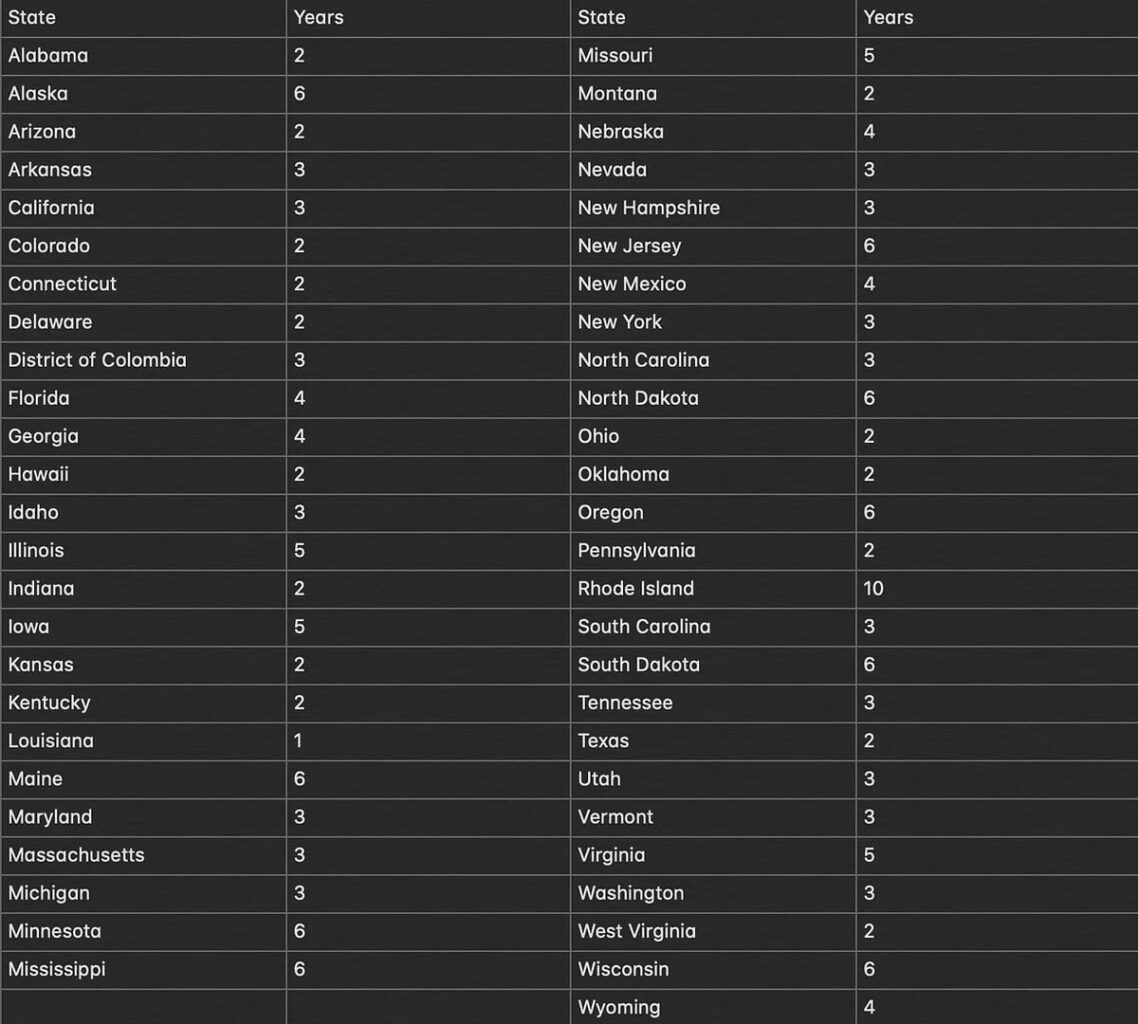
    Statute of limitations chart for all US states on Diminished Value Claims.

    Recovering diminished value from the at-fault insurance company can take as little as a few days. However, some claims may take weeks, and in rare cases, months. The timeline depends entirely on the insurance company’s diminished value policy. One thing remains constant: DVAC will stay involved throughout your diminished value claim, offering advice and support.

    If your vehicle has been totaled in an accident, how do you determine a fair settlement? The insurance company has their figure, and you have yours. DVAC helps bridge that gap by guiding you to a realistic, mutually agreeable number backed by comprehensive market research. We compile a total loss report that includes all of our findings and your vehicle’s actual cash value.

    Each diminished value appraisal report includes a pre-accident value built from current retail market data for comparable vehicles, an assessment of the value your vehicle lost based on its repair records and the actual damage, a detailed photo file, and the final bill from the body shop. We email you the complete report, usually within one business day.

    The IRS requires a professional appraisal for any vehicle worth more than $5,000 if you want to claim a tax write-off. While vehicles under $5,000 don’t need an appraisal, we still recommend getting one to help avoid a potential audit.

    Insurance companies rely on appraisals to determine the fair market value of your collectible vehicle. A certified appraisal from a licensed appraiser strengthens your claim and gives you the documentation to support a fair settlement after a collision.

    The requirements can vary depending on your lender. Some institutions may ask for an independent appraisal to verify the true market value of the vehicle you plan to purchase.

    What about “Certified Used Vehicles”?

    Many dealerships now offer “Certified Used Vehicles” on their lots, but each one sets its own policies and standards for certification. In many cases, dealers look closely for even minor damage history to disqualify your trade-in from meeting their “certified” criteria. As a result, they may offer you less than if your vehicle had a clean title. DVAC can help you recover that lost value through a diminished value claim.

    If an accident has damaged your vehicle and you’re concerned about its true value, call DVAC Diminished Value Appraisal Claims at 877-879-0101 for a FREE consultation. If you’re ready to start the process, start your appraisal now! You can also check out our blog for more case-specific information.

     
    Call DVAC at 877-879-0101 for a FREE consultation or Start your Appraisal now!